Quick answer
PRP uses a concentrated portion of your own blood with no synthetic fillers. The growth factors in your blood awaken the skin's own rejuvenation capacity and can stimulate collagen, a natural glow, hair growth and scar healing. The entire treatment takes around 45 to 60 minutes. Abir carries out your consultation herself before every injection treatment.
There is a treatment that requires no synthetic fillers, no chemical preparations and no foreign substances, just your own blood. PRP treatment has in just a few years gone from being a niche treatment in sports medicine to becoming one of the most sought-after rejuvenation methods in aesthetic medicine. And with good reason.
At Dibélle in Helsingborg, we have seen how PRP transforms skin and hair for clients seeking something genuinely natural. In an industry where new products and substances are constantly being launched, there is something liberating about a method that starts from the body's own intelligence, your own growth factors, your own healing system, your own biology.
In this guide, I share everything you need to know about PRP: what it is, how the treatment works, which areas can be treated, what results you can expect and why the combination with Dermapen delivers exceptional results. Whether you are curious about facial rejuvenation, hair loss or scar treatment, you will find the answers here.
What is PRP: Platelet-Rich Plasma?
PRP stands for Platelet-Rich Plasma. It is a concentrated portion of your own blood that contains an unusually high proportion of platelets (thrombocytes), and it is within these platelets that the magic lies.
Platelets are the body's natural healers. When you cut yourself, bruise or damage tissue in any way, it is the platelets that rush to the site of injury and initiate the repair process. They release a cocktail of growth factors, proteins that stimulate cell renewal, collagen production, angiogenesis (the formation of new blood vessels) and tissue repair.
In PRP treatment, we concentrate these growth factors and apply them precisely where we want rejuvenation to occur. It is like giving the body a targeted signal: "Heal here. Renew here. Build new here."
Why your own blood?
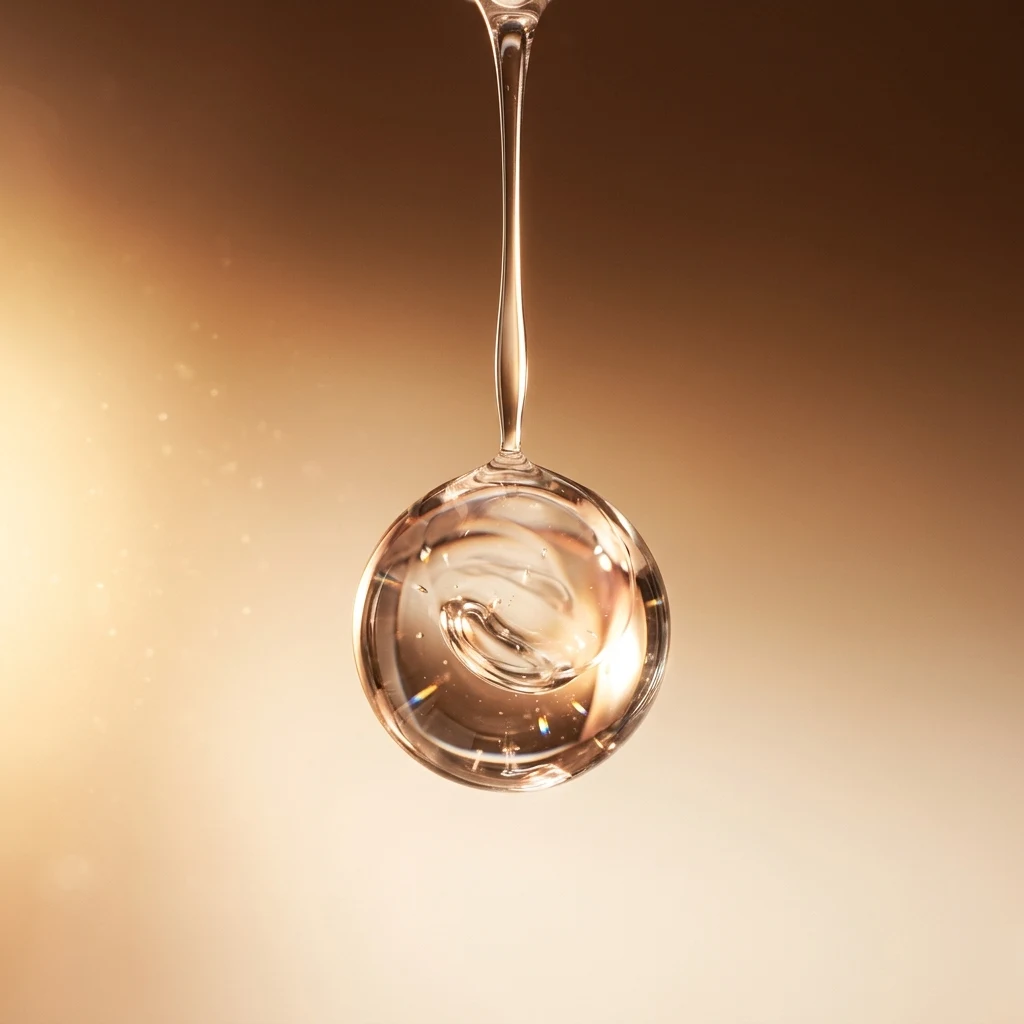
Your blood already carries what your skin needs to repair itself. We take a small blood sample from your arm, process it and then inject the golden plasma back into the skin. The concentrated plasma is yellowish, sometimes with a light pinkish tone, and contains nothing that does not come from your own body.
Behind the simple principle lies solid medical science. PRP has been used in surgery and sports medicine since the 1980s, and research in aesthetic medicine is growing steadily. A systematic review published in Aesthetic Plastic Surgery (2021) showed that PRP treatment produces statistically significant improvements in skin quality, scar texture and signs of ageing.
How does PRP treatment work? Step by step
The treatment process is elegant in its simplicity. Here is how it works at Dibélle in Helsingborg:
Step 1: The blood draw
We take a small blood sample from your arm, typically 10 to 20 ml, similar to a routine blood test. It is quick and the vast majority find it entirely straightforward.
Step 2: Centrifugation
The blood is placed in a specialised centrifuge that spins at high speed for 5 to 10 minutes. The centrifugation separates the blood into three layers:
- Red blood cells (at the bottom), these are not used
- PRP, the platelet-rich plasma (the middle layer), the golden treasure we are after
- Platelet-poor plasma (at the top), contains fewer platelets
We carefully extract the middle layer, PRP, which now contains a platelet concentration that is 3 to 5 times higher than in normal blood. This means a corresponding concentration of growth factors.
Step 3: Preparing the treatment area
Depending on the treatment, we apply a numbing cream to the relevant area. For facial treatment, the numbing takes effect in approximately 20 minutes. For scalp treatment, local anaesthesia in the form of nerve blocks is sometimes used.
Step 4: Application
PRP can be applied in different ways depending on the purpose:
- Injection: For facial rejuvenation and scalp treatment, PRP is injected with fine needles at precise points. Each injection places the growth factors exactly where they are needed.
- In combination with Dermapen: PRP is applied to the skin and Dermapen's thousands of micro-needles drive the plasma into the deeper skin layers. More about this powerful combination below.
- Topically: PRP can be applied to the skin directly after microneedling for maximum absorption through the open micro-channels.
The entire treatment, including centrifugation and application, takes approximately 45 to 60 minutes.
Step 5: Aftercare
Aftercare is minimal but important:
- Avoid touching the treatment area for 4 to 6 hours
- No makeup on the same day (for facial treatment)
- No intense exercise or sauna for 24 hours
- SPF 50+ daily during the first week
- Avoid blood-thinning medications (aspirin, ibuprofen) 24 hours before and after
Which areas can be treated with PRP?
PRP face: rejuvenation from within
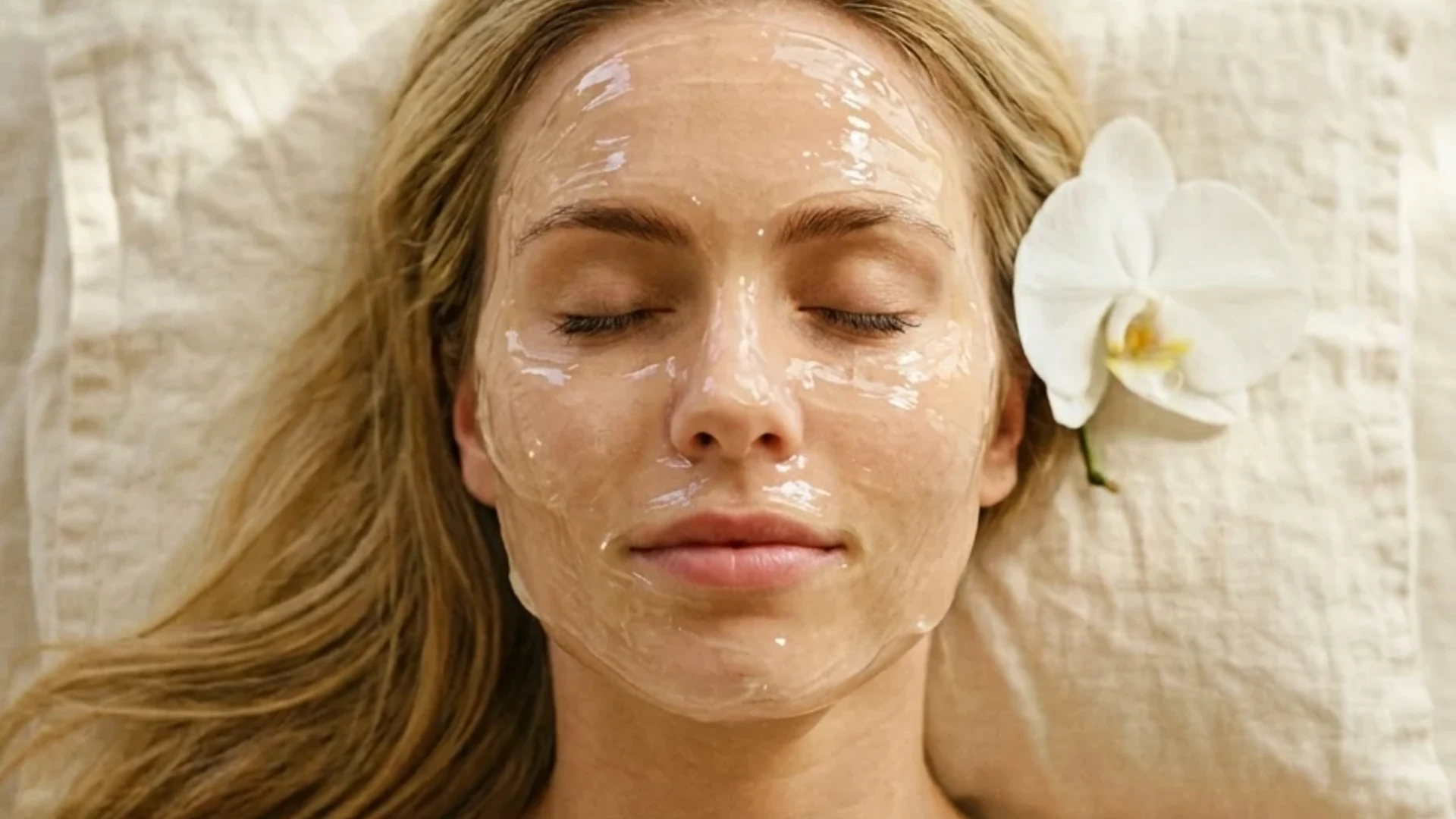
PRP facial treatment is perhaps the most popular application. The growth factors stimulate collagen and elastin production in the dermis, improve blood circulation and activate cell renewal. The result is skin that looks and feels younger, not because we have introduced something foreign, but because we have awakened the skin's own rejuvenation capacity.
PRP for the face is particularly effective for:
- Fine lines and wrinkles: Particularly around the eyes, mouth and forehead
- Tired, dull skin: PRP delivers a natural glow from within
- Loss of skin firmness: Collagen stimulation produces tighter, firmer skin
- Dark circles under the eyes: Improved microcirculation reduces dark patches
- Uneven skin tone and texture: Smoother, more even skin surface
"PRP represents exactly the philosophy I built Dibélle on, working with the body's own intelligence, not against it. Seeing how a client's skin gradually transforms through their own growth factors, without us introducing a single foreign substance, is for me the most satisfying aspect of aesthetic medicine." Abir Mustafa, registered nurse and founder of Dibélle
PRP hair loss: new hope for thinning hair
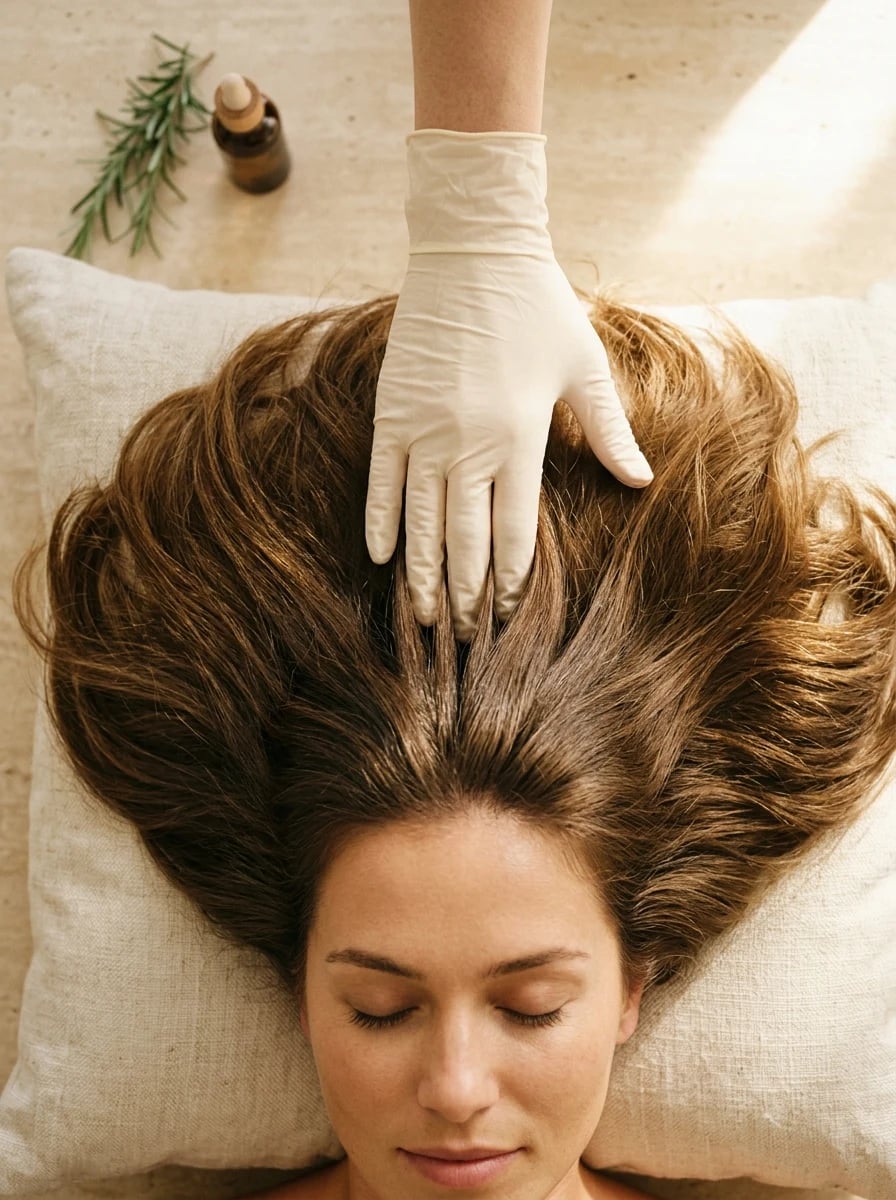
PRP for the scalp has become one of the most promising non-surgical alternatives for hair loss, in both men and women. The growth factors in PRP stimulate dormant hair follicles to transition from resting phase to active growth phase, strengthen existing hair strands and improve blood circulation in the scalp.
The research is encouraging. A study in Dermatologic Surgery (2020) showed that PRP treatment increased hair density by an average of 27% after three treatments. Another study in the International Journal of Trichology reported that 80% of participants experienced reduced hair loss and visibly thicker hair.
PRP for hair loss is effective for:
- Androgenetic hair loss (the most common type, in both men and women)
- Hair thinning after pregnancy or stress
- Patchy hair loss (alopecia areata)
- Thinner beard: yes, PRP works for beard growth too
- As a complement after hair transplantation: PRP accelerates healing and improves survival of transplanted follicles
We also offer PRP scalp treatment courses with 4 sessions for those who want to maximise results. With regular treatments every 6 to 12 weeks, we provide the hair follicles with continuous stimulation.
PRP for acne scars
Acne scars are one of the most rewarding areas for PRP treatment, especially in combination with microneedling. The growth factors stimulate the body to break down old scar tissue and replace it with new, healthy collagen. The remodelling effect gradually produces smoother, more even skin.
PRP under the eyes
The under-eye area is one of the most challenging to treat with conventional methods. The skin is extremely thin, and traditional fillers require great precision to avoid complications. PRP offers a gentle alternative that improves skin quality from within, reducing dark circles, improving texture and creating a rested appearance.
Dermapen + PRP: the most powerful combination
Here is where things truly make a difference. The combination of Dermapen and PRP is one of the most effective treatments we offer at Dibélle, and it is a combination we rate as number one for those seeking deep skin rejuvenation through entirely natural means.
Why the combination is superior
Dermapen creates thousands of microscopic channels in the skin, controlled micro-injuries that activate the body's healing cascade. Read more in our Dermapen guide. When we apply PRP directly during microneedling, something powerful happens:
- Micro-channels act as delivery pathways: PRP reaches deeper skin layers than with injection or topical application alone
- Dual stimulation: Dermapen's mechanical collagen stimulation is amplified by PRP's biological growth factors
- Accelerated healing: Growth factors speed up the skin's recovery after microneedling
- Better results in less time: Studies show the combination delivers significantly better results than either treatment alone
A randomised controlled trial in the Journal of Cosmetic Dermatology (2019) compared microneedling alone with microneedling + PRP for acne scars. The combination group showed 62% improvement compared with 45% in the microneedling group, a statistically significant difference.
Who is Dermapen + PRP suitable for?
The combination is ideal if you:
- Want maximum collagen stimulation through natural means
- Have acne scars requiring intensive treatment
- Seek deep facial rejuvenation
- Prefer treatments without synthetic additives
- Want faster results and a shorter treatment series
Results and timeline: what can you expect?
PRP is not a treatment that delivers immediately visible results like fillers. It is a biological process that takes time, and that is one of its strengths. The results are natural, gradual and long-lasting.
Timeline after PRP treatment
Weeks 1 to 2: An immediate effect from the increased moisture in the plasma may produce a temporary glow. Any swelling and redness typically resolves within 1 to 3 days.
Weeks 2 to 4: The growth factors have activated the fibroblasts. New collagen production has begun. You may start noticing a subtle improvement in skin quality.
Months 1 to 3: This is when the real changes become visible. The skin gradually becomes firmer, smoother and more radiant. Fine lines soften. Skin tone evens out. For hair loss, new hair begins to grow.
Months 3 to 6: Full effect of the treatment. Collagen remodelling continues. The skin has reached its optimal improvement. Hair is visibly thicker and denser.
Months 6 to 18: The effects persist. With maintenance treatments, results can be extended further. Most people choose to have 1 to 2 treatments per year to maintain the stimulating effect.
How many treatments are needed?
- Facial rejuvenation: 2 to 3 treatments at 4 to 6 week intervals. Maintenance 1 to 2 times per year.
- Acne scars: 3 to 4 treatments at 4 to 6 week intervals, ideally in combination with Dermapen.
- Hair loss: 3 to 4 treatments at 6 to 12 week intervals. A course of 4 treatments is recommended for best results.
- Under the eyes: 2 to 3 treatments at 4-week intervals.
Who is PRP suitable for?
PRP treatment is right for you if you:
- Prefer natural methods: No synthetic fillers, no chemicals, nothing foreign
- Are hesitant about fillers but still want to rejuvenate your skin
- Have early signs of ageing: fine lines, tired skin, reduced firmness
- Experience hair loss and want to try a non-surgical method
- Have acne scars that need stimulation to heal
- Want to combine with other treatments: PRP enhances the effect of Dermapen, chemical peeling and other treatments
- Have any skin type: PRP works on all skin types and ethnicities with no risk of pigmentation changes
Who should avoid PRP?
PRP vs. PRF: what is the difference?
At Dibélle, we also offer PRF (Platelet Rich Fibrin), which represents the next generation of blood-based treatment. The main difference:
| PRP | PRF | |
|---|---|---|
| Centrifugation | Faster | Slower |
| Additives | With anticoagulant | Without additives |
| Consistency | More liquid plasma, easy to inject | Fibrin forms a natural three-dimensional mesh |
| Growth factor release | – | More gradual, a "slow release" effect at the injection site |
Both are excellent options. The choice depends on your specific needs, and during the consultation we will recommend the method that suits you best.
Frequently asked questions about PRP treatment
Does it hurt?
With numbing cream, most people experience minimal pain. For scalp treatment, some injection points may be felt a little more, but the discomfort is brief. On a scale of 1 to 10, most clients describe the pain as 2 to 3.
Are there side effects?
Since PRP comes from your own blood, the risk of allergic reactions is virtually non-existent.[1] Common, mild side effects include:
- Redness and swelling (1 to 3 days)
- Minor bruising at injection points (resolves within a week)
- Tenderness in the treatment area (1 to 2 days)
Serious side effects are extremely rare.
How long do results last?
Facial treatment: 12 to 18 months. Scalp treatment: up to 18 months. Maintenance treatments 1 to 2 times per year are recommended.
Can I combine PRP with other treatments?
Absolutely. PRP combines excellently with:
- Dermapen/microneedling, our most popular combination. Read our Dermapen guide for details
- Chemical peeling, for pigmentation and skin texture. See our chemical peel guide
- Fillers, PRP improves skin quality, fillers add volume
- Botox, treats wrinkles in different complementary ways
What does PRP treatment cost in Helsingborg?
Prices vary depending on the treatment area and number of sessions. See current prices and book on our PRP page or directly via Bokadirekt.
Why choose Dibélle for PRP treatment in Helsingborg?
PRP treatment requires medical precision, from blood collection to centrifugation to injection. At Dibélle, you meet Abir Mustafa, a registered nurse with experience in aesthetic medicine since 2011 and over 10,000 treatments performed.
This means you are treated by someone with a deep understanding of skin biology, injection techniques and individual customisation. We take the time to understand your goals and tailor the treatment to your needs.
- Medical expertise: Blood collection and injection performed by a registered nurse
- Individual treatment plan: We assess your needs before we begin
- Premium equipment: We use CE-marked centrifuges and closed systems for maximum sterility
- Combination options: We can integrate PRP with Dermapen, PRX-T33 and other treatments
- Follow-up: We monitor your skin and hair development and adapt the plan accordingly
With 4.9 out of 5 stars based on over 1,250 reviews on Bokadirekt and 5.0 on Google, we are proud of the trust our clients place in us.
How it works
- 1
Book a free consultation
- 2
Bibbi assesses what suits you
- 3
Treatment only if it's right for you
Ready to take the next step?
Book your consultationBook your PRP consultation
Are you curious about what PRP can do for your skin or hair? Book a free consultation with us, we will analyse your situation, explain the process in detail and create a treatment plan tailored to you.
Book easily via Bokadirekt: select "PRP-konsultation" from our services. You can also read more about our PRP treatments and prices.
Your body already has everything it needs for rejuvenation. We help it use it.
With care for your skin, Abir Mustafa, Dibélle, Helsingborg
Sources
- 1.Swedish Medical Products Agency: safety information for injection treatments · Läkemedelsverket (2024) lakemedelsverket.se ↩
- 2.Act (2021:363) on aesthetic surgical procedures and injection treatments · Sveriges Riksdag (2021) riksdagen.se ↩